

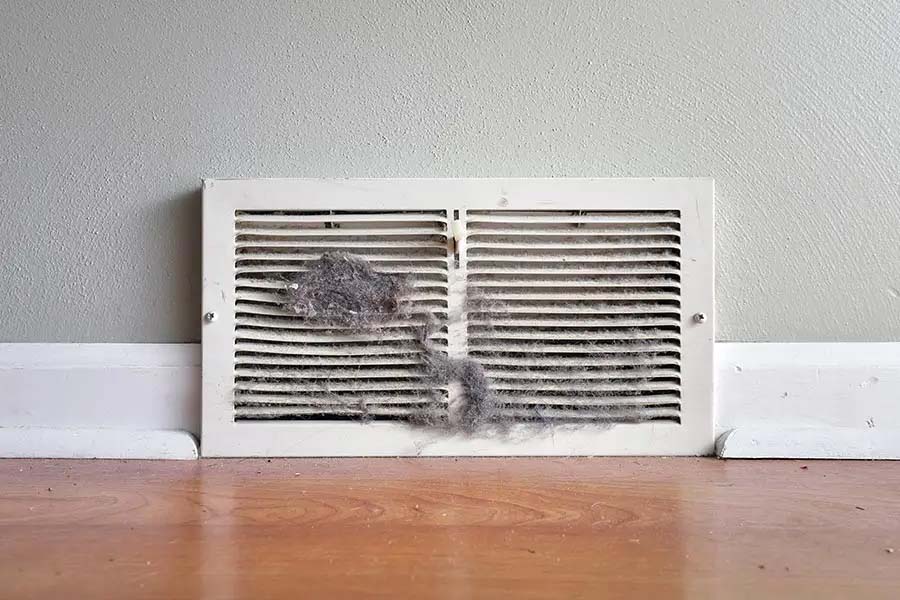
If you notice dust buildup, rising allergy symptoms, or strange odors coming from your vents, it may be time for air duct cleaning. In Bedford, TX, where the North Texas climate keeps HVAC systems running hard for months at a stretch, dirty ductwork affects both the air your family breathes and the efficiency of your entire system. Whether your home is near Central Park or off Highway 183, these warning signs deserve prompt attention. Here are the red flags to watch for.
1. Dust Accumulation in Your Home
When surfaces throughout the home collect dust faster than usual, the duct system is often the source. An HVAC system cycling through dirty ductwork pushes accumulated debris back into the living space with every run, which means cleaning surfaces provides only temporary relief until the underlying cause is addressed.
Rapid dust return is not just an inconvenience. It signals that the duct system is circulating contaminants rather than clean air, which affects both indoor air quality and the efficiency of the heating and cooling equipment. For Bedford homeowners noticing this pattern, professional duct cleaning is the most direct way to address it at the source.
2. Increased Allergy Symptoms Among Family Members
When allergens like dust, pollen, and pet dander accumulate inside ductwork, they get distributed throughout the home every time the system runs. The result is elevated allergen concentrations in the living space that can trigger or worsen symptoms for sensitive household members.
Signs that indoor air quality may be contributing to health issues include:
- Frequent sneezing or coughing indoors: Symptoms that improve when away from home often point to an indoor air quality issue
- Itchy or watery eyes: Airborne allergens circulating through the duct system can cause persistent eye irritation
- Worsening respiratory conditions: Anyone dealing with asthma or chronic respiratory issues may notice increased sensitivity when duct contamination is high
Addressing duct cleanliness is a direct investment in the health and comfort of everyone in the household, particularly those with allergies or respiratory sensitivities.
3. Strange Odors From Vents
Unpleasant smells coming through the vents are a clear signal that the duct system needs professional attention. Musty odors typically indicate mold or mildew growth inside the ductwork, while burnt smells can point to dust accumulation near heating components or electrical issues within the system.
A properly functioning HVAC system should deliver neutral, clean air. When odors are present at the vents, they circulate through every room the system serves, affecting the comfort and safety of the entire home. Scheduling a duct cleaning service eliminates the buildup at the source rather than masking the symptom.
4. Unexplained Rise in Energy Bills
A sudden or gradual increase in energy costs without a corresponding change in usage is often a sign that the HVAC system is working harder than it should. Clogged ductwork restricts airflow, forcing the system to run longer cycles and consume more power to reach the target temperature.
Inefficient ductwork can reduce overall HVAC efficiency by as much as 40 percent, which translates directly into higher monthly bills. When the system also cycles on and off more frequently due to restricted airflow, it adds wear to components and compounds long-term operating costs. Clean ducts restore proper airflow and allow the system to operate within its designed efficiency range.
5. Visible Mold Growth Inside Ducts
Visible mold anywhere in or around the duct system is one of the most urgent red flags on this list. Mold thrives where moisture and organic debris meet, and ductwork can provide both conditions if the system has experienced humidity issues or condensation buildup.
Once mold is present in the ducts, the HVAC system distributes spores throughout the home with every cycle. This creates ongoing health risks for household members and can allow the problem to spread to other areas of the home. Visible mold requires immediate professional attention, not just surface-level cleaning, to ensure the contamination is fully resolved.
6. Inconsistent Airflow in Different Rooms
Uneven temperatures from room to room are a common indicator of airflow problems in the duct system. When some spaces feel stuffy while others are adequately conditioned, restricted or imbalanced ductwork is frequently the cause.
Uneven Temperature Distribution
Hot and cold spots throughout the home point to blockages or buildup that prevent conditioned air from reaching certain areas effectively. A system that cannot distribute air evenly forces occupants to adjust the thermostat repeatedly without achieving consistent comfort, which also increases energy consumption.
Blocked Air Vents
Individual vents that are partially or fully blocked by debris restrict airflow to the rooms they serve. Beyond the comfort impact, blocked vents put additional strain on the system by creating back pressure that the equipment has to work against during every cycle. Regular inspection and professional cleaning address both the vent-level blockages and the underlying duct buildup contributing to them.
Dust Accumulation Signs
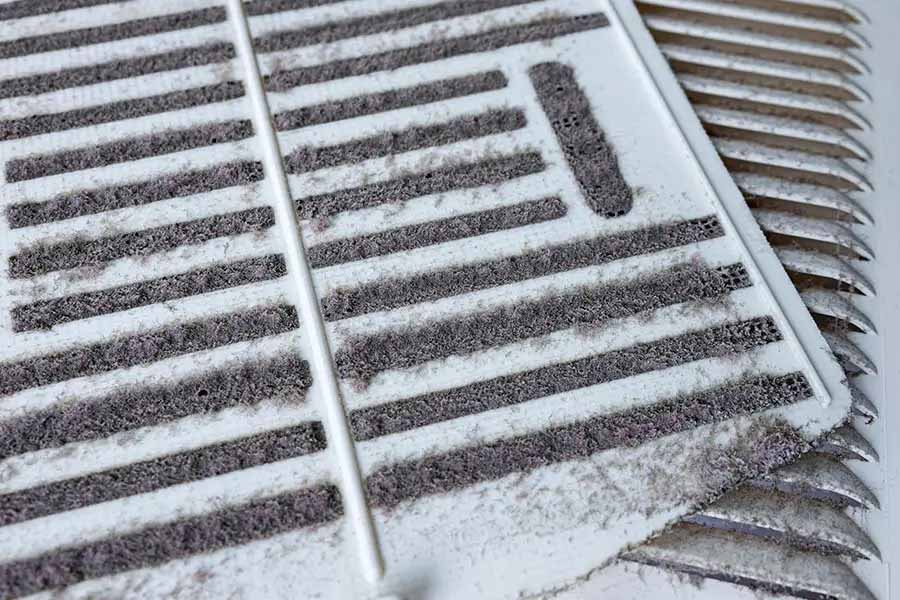
Rooms that consistently require more frequent dusting than others, or vents that show visible dust buildup on the grilles, are direct indicators that the duct system is distributing debris unevenly. Unusual sounds from the ductwork, including rattling or disrupted airflow noise, can also signal that debris accumulation is affecting air movement through the system.
7. Recent Renovations or Construction Work
Construction and renovation projects generate fine particles that settle throughout the home, and a significant portion of that debris finds its way into the duct system. Drywall dust, insulation fibers, and construction particulates are among the most problematic materials for both air quality and HVAC performance.
Dust Accumulation Increases Rapidly
Following any renovation work, three patterns signal that duct cleaning is warranted:
- Visible dust on surfaces shortly after cleaning: Rapid reaccumulation indicates the duct system is distributing construction debris throughout the home
- New or worsened allergy symptoms: Fine construction particles are particularly irritating to airways and can trigger symptoms even in household members without prior sensitivities
- Reduced airflow from vents: Debris that has settled in the ductwork during construction restricts airflow and reduces system efficiency immediately
Debris From Construction Sites
Even smaller projects like flooring replacement, ceiling work, or insulation upgrades introduce debris that can accumulate in ductwork. Scheduling a professional cleaning after any significant interior work protects both the air quality and the HVAC system from the lasting effects of construction contamination.
8. Pets Shedding More Than Usual
Pet dander and fur are among the most persistent contributors to duct contamination in homes with animals. When shedding increases, the volume of dander and fine hair entering the duct system rises proportionally, accelerating buildup and increasing allergen concentrations in the circulated air.
Key concerns associated with pet-related duct contamination:
- Increased allergens: Accumulated fur traps additional dust and dander, compounding the air quality impact
- HVAC strain: A system pushing air through debris-laden ducts works harder and draws more energy to maintain airflow
- Health risks for pets and people: Poor indoor air quality affects animals as well as humans, particularly those with respiratory sensitivities
Homes with multiple pets or heavy shedders benefit from more frequent duct cleaning intervals to keep the system clear and the air quality manageable.
9. Frequent HVAC System Breakdowns
A system that breaks down repeatedly is often working under conditions that are placing excessive strain on its components. Restricted airflow from dirty ductwork is one of the most common contributors to accelerated wear and unexpected failures.
When the system has to work harder to move air through contaminated ducts, every component operates under greater stress than it was designed to handle. This pattern leads to higher energy bills, shortened equipment lifespan, and a cycle of recurring repairs that becomes increasingly expensive over time. Regular air duct cleaning removes the restriction that drives this cycle and helps the system operate within normal parameters.
10. Unusual Noises Coming From Ducts
Strange sounds from the duct system are worth investigating rather than ignoring. Different noises point to different underlying issues:
- Banging or clanging: Often indicates loose components or debris that is obstructing or disrupting airflow through the ductwork
- Whistling: Commonly associated with air leaks at duct connections or joints, which reduce system efficiency and allow contaminants to enter the airstream
- Hissing: Can suggest issues with duct integrity or, in some cases, refrigerant-related problems that require immediate professional evaluation
None of these sounds should be dismissed as normal system behavior. Each one points to a condition that, left unaddressed, tends to develop into a more significant and costly problem.
Breathe Cleaner Air with Minuteman Heating & Air
Neglected air ducts do not announce themselves loudly, but the signs accumulate over time in the form of dust, allergy symptoms, rising energy bills, and a system that works harder than it should. Addressing these red flags with professional duct cleaning transforms your home back into the clean, comfortable space it should be. Minuteman Heating & Air is ready to help. Let’s take action today and restore the air quality your home deserves.