

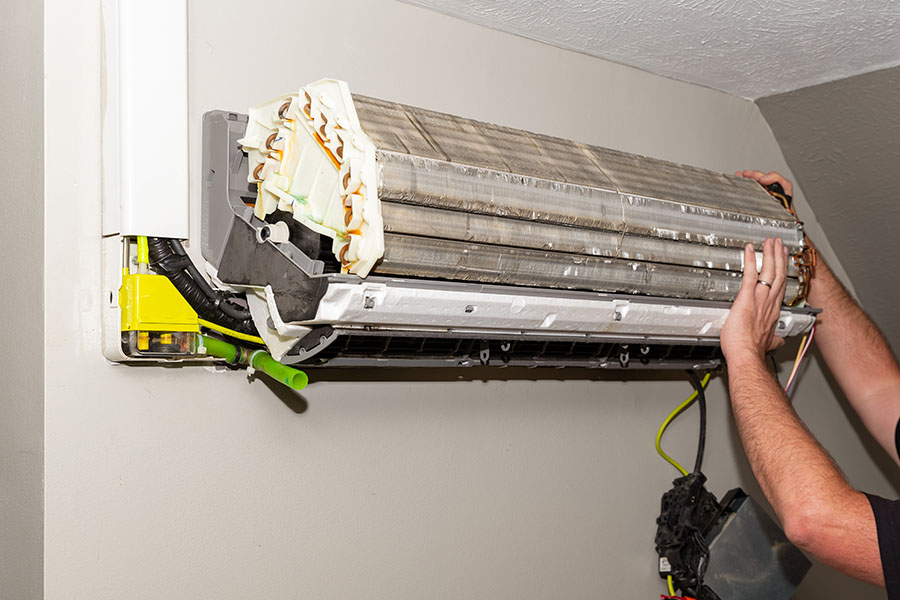
Mini split systems are one of the most efficient and flexible cooling and heating solutions available, but their performance depends entirely on how well they are installed. In Arlington, TX, where summers are long and the heat is relentless, a poorly installed system can mean higher energy bills, uneven comfort, and premature equipment failure. The installation decisions made on day one determine how well the system performs for years to come. Here are the seven most costly errors professional technicians are trained to avoid.
1. Choosing the Wrong Size Mini Split System
Proper sizing is the foundation of a successful installation. An undersized unit will run constantly, trying to keep up with demand without ever reaching the target temperature. A unit that is oversized will short-cycle, turning on and off too frequently without completing a full conditioning cycle, which wastes energy and fails to control humidity effectively.
Room dimensions, ceiling height, insulation levels, window placement, and local climate all factor into accurate sizing calculations. Ductless mini split sizing is not a guessing exercise. It requires precise load calculations that only a trained technician can perform reliably, and getting it right from the start prevents a long list of performance problems down the road.
2. Ignoring Local Building Codes and Regulations
Every installation must comply with local building codes and permit requirements, and Arlington has specific regulations governing HVAC work. Skipping this step is one of the most expensive mistakes a homeowner can make, as non-compliant installations can result in fines, failed inspections, and mandatory reinstallation at full cost.
Codes exist to ensure the safety, proper operation, and long-term performance of HVAC systems. A licensed professional handles permitting and code compliance as a standard part of every installation, so the system is never at risk of being flagged during a home inspection or insurance review.
3. Improper Placement of Indoor and Outdoor Units
Unit placement affects airflow, efficiency, noise levels, and long-term serviceability. Indoor units installed too close to walls, blocked by furniture, or positioned in tight corners cannot distribute conditioned air effectively throughout the space.
For Arlington homeowners, outdoor unit placement requires equal attention. The outdoor unit needs adequate clearance for airflow, protection from direct debris exposure, and positioning that does not direct noise toward living spaces or neighboring properties. Accessibility for routine maintenance is also a factor that is easy to overlook during installation, but creates real inconvenience later. Proper placement from the start supports both performance and the kind of long-term reliability homeowners expect from a quality system.
4. Neglecting Electrical Requirements and Safety Standards
Mini split systems have specific electrical requirements that must be matched precisely during installation. Undersized wiring, incorrect circuit breakers, and overloaded panels are all conditions that can lead to system failure, tripped breakers, or serious safety hazards, including electrical fires.
Every installation should be performed by a qualified technician who verifies that the electrical infrastructure meets the system’s specifications before the unit is ever powered on. Cutting corners on electrical work is one of the most dangerous and costly errors in any HVAC installation.
5. Overlooking Insulation and Airflow Needs
Even ductless systems depend on the building envelope to perform efficiently. A well-insulated space holds conditioned air longer, reduces the load on the system, and allows it to reach and maintain the target temperature with less energy. When insulation is inadequate, the system compensates by running longer cycles, which drives up operating costs and increases wear on components.
Airflow within the conditioned space matters as well. Obstructions, closed interior doors, and poor room layouts can create temperature inconsistencies even when the system itself is properly sized and installed. Addressing insulation and airflow as part of the installation planning process leads to noticeably better results.
6. Failing to Optimize Refrigerant Levels
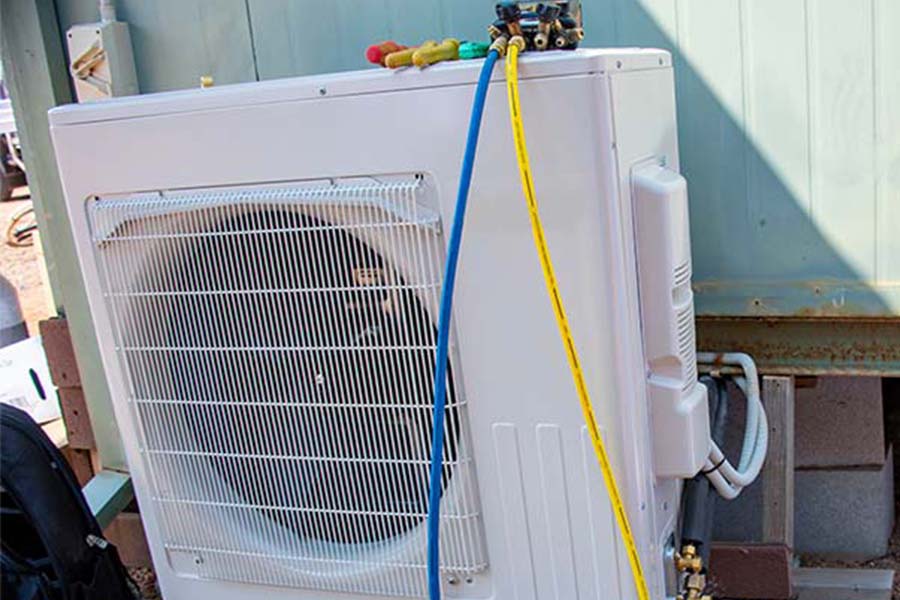
Refrigerant charge is one of the most technically sensitive aspects of a mini split installation. Levels that are too low or too high both create problems that affect comfort, efficiency, and equipment longevity:
- Efficiency loss: Incorrect refrigerant levels force the system to work harder to maintain temperature, which shows up directly in higher energy bills
- System damage: Improper charge puts strain on the compressor, which is the most expensive component in the system to repair or replace
- Inconsistent comfort: Refrigerant imbalances lead to uneven cooling or heating, leaving certain areas of the home uncomfortable regardless of thermostat settings
Verifying and setting the correct refrigerant charge requires specialized equipment and certified training. It is not a step that can be estimated or skipped without real consequences for the system’s performance.
7. Skipping Professional Maintenance After Installation
Installation quality sets the ceiling for a system’s performance, but ongoing maintenance determines whether it reaches and holds that ceiling over time. Skipping routine service after installation is one of the most common ways homeowners unknowingly shorten the life of their equipment.
Regular maintenance keeps filters clean, verifies refrigerant levels, checks electrical connections, and catches developing issues before they become failures. A system that receives consistent professional attention will run more efficiently, cost less to operate, and last significantly longer than one that only gets looked at when something goes wrong. Pairing your mini split with a zoned heating and cooling plan and a regular maintenance schedule is the most complete approach to long-term comfort and efficiency.
Avoid Costly Mistakes with Minuteman Heating & Air
Avoiding these common installation pitfalls saves both time and money, ensuring your mini split system delivers the efficiency and comfort it was designed for. Proper installation lays the groundwork for long-term performance, and every step matters. Minuteman Heating & Air is here to guide you through the process so you can enjoy reliable comfort without the worry of costly mistakes. Schedule your service today and let us make your mini split experience a success.