

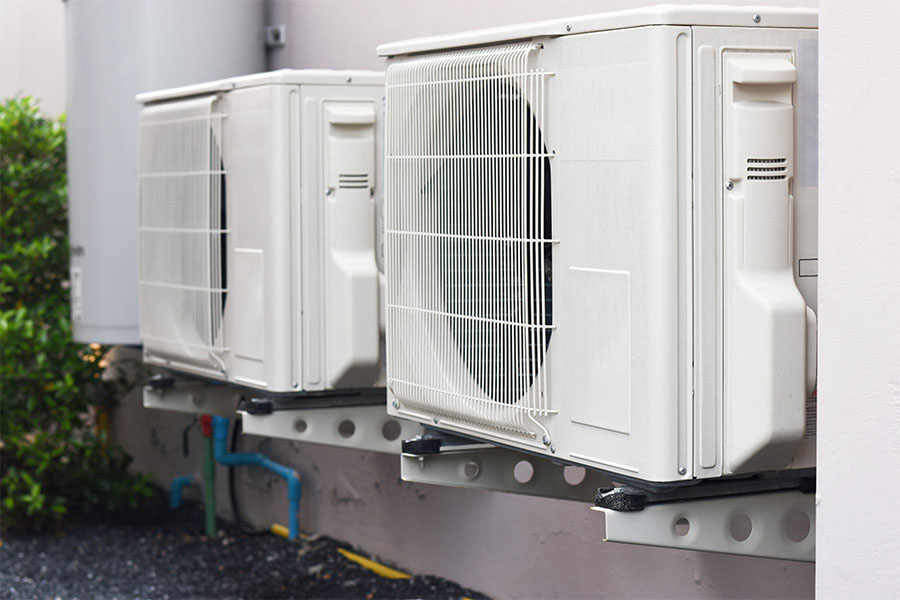
Mini split systems have earned a strong reputation for efficiency and flexibility, but that reputation is built on properly installed units. A system that is sized correctly, positioned thoughtfully, and commissioned by a trained technician performs the way the manufacturer designed it to. In Burleson, TX, where summers push the cooling load hard, and homeowners expect reliable performance through the hottest months, the quality of the installation is what separates a system that delivers from one that disappoints. Here is what professional installation actually means for your mini split’s long-term performance.
Why Professional Installation Matters
The efficiency ratings on a mini split spec sheet represent what the system is capable of under ideal conditions. Reaching those conditions consistently in a real home depends entirely on how the system was installed.
A trained technician determines the correct unit size for the space, selects the optimal placement for both indoor and outdoor components, and handles electrical connections and refrigerant work within code requirements. Each of these steps directly affects how the system performs from the first day of operation and every day after.
Poor installation leads to predictable consequences: uneven temperatures, higher utility bills, and accelerated wear on components that were never designed to compensate for setup errors. The Burleson area has no shortage of HVAC contractors, but the team serving the Burleson community should bring the kind of local knowledge and technical depth that turns a good system into a great long-term investment.
Advantages of Expert Technicians
Trained HVAC technicians bring more than mechanical skills to a mini split installation. Their value comes from a combination of system knowledge, field experience, and the kind of diagnostic judgment that prevents problems before they start.
Key advantages of working with expert technicians include:
- Accurate system assessment: A thorough evaluation of the space ensures the right unit is recommended, not just the one that fits the budget or the available slot on a truck
- Correct refrigerant handling: Refrigerant levels must be set precisely, and only certified technicians are licensed to handle refrigerants legally and safely
- Proper electrical work: Mini splits require dedicated circuits and correct wiring. A technician who understands both the system requirements and local electrical codes eliminates a significant source of future problems
- Clear communication: A professional installation includes an explanation of how the system works, what to expect, and what maintenance the homeowner should plan for going forward
Regular professional maintenance after installation keeps the system operating at the efficiency it was designed for, extending its useful life and protecting the investment. Homeowners who are still evaluating whether a ductless mini split is the right fit for their home can also benefit from a technician’s assessment before committing to a system type.
Common Installation Mistakes That Affect Performance
Understanding what can go wrong during installation helps illustrate why professional execution matters. The most common errors that compromise mini split performance include:
- Incorrect refrigerant levels: Both overcharging and undercharging reduce efficiency and put strain on the compressor, which is the most expensive component in the system
- Misaligned indoor and outdoor units: Poor alignment disrupts airflow patterns and reduces the system’s ability to transfer heat effectively
- Inadequate mounting hardware: Units that are not properly secured create vibration, noise, and long-term structural concerns
- Uninsulated refrigerant lines: Exposed lines lose energy between the outdoor and indoor units, reducing efficiency and increasing operating costs
- Inadequate drainage planning: Improper condensate drainage leads to water damage and creates conditions where mold can develop
- Code compliance oversights: Installations that do not meet local building codes create liability issues and can complicate future home sales or insurance claims
Each of these mistakes is avoidable with proper training and attention to detail. Each one also has a measurable negative impact on performance if it occurs.
How Proper Sizing and Placement Enhance Efficiency
Sizing and placement decisions made during installation determine the efficiency ceiling the system can ever reach. Getting both right from the start is not a luxury. It is a requirement for the system to perform as expected.
Four factors that guide proper sizing and placement:
- Room size and BTU rating: A unit matched to the actual cooling load of the space runs efficient cycles without short cycling or running continuously
- Airflow distribution: Indoor unit placement determines how evenly conditioned air reaches every part of the room. A poorly placed unit creates comfortable zones near the unit and neglected areas further away
- Clearance from obstacles: Furniture, walls, and structural elements placed too close to the unit restrict airflow and reduce efficiency, regardless of how well the unit itself is sized
- Sun exposure of the outdoor unit: Outdoor units placed in direct sun operate at higher ambient temperatures, which reduces efficiency. Shaded or north-facing placement, where possible, keeps the unit working within its optimal range
Proper insulation of the refrigerant lines and the installation area further supports the system’s ability to maintain efficiency over its full lifespan. For homes with multiple rooms or distinct living areas, pairing the installation with a zoned heating and cooling system takes the efficiency and comfort benefits even further.
Maintenance Tips to Maximize Your Mini Split’s Lifespan
Professional installation sets the foundation, but consistent maintenance is what sustains performance over the years. A few essential practices keep a mini split running at its best:
- Monthly filter cleaning or replacement: Clean filters maintain proper airflow and protect internal components from dust buildup that reduces efficiency over time
- Regular outdoor unit inspection: Clearing debris, leaves, and dirt from around the outdoor unit ensures unrestricted airflow and prevents the overheating that shortens component life
- Annual professional service: A trained technician can verify refrigerant levels, inspect electrical connections, clean coils, and catch developing issues before they become failures
- Performance monitoring: Changes in cooling consistency, unusual sounds, or increases in energy consumption are early indicators that the system needs attention
Staying ahead of maintenance keeps the system performing close to its rated efficiency for the full span of its designed lifespan.
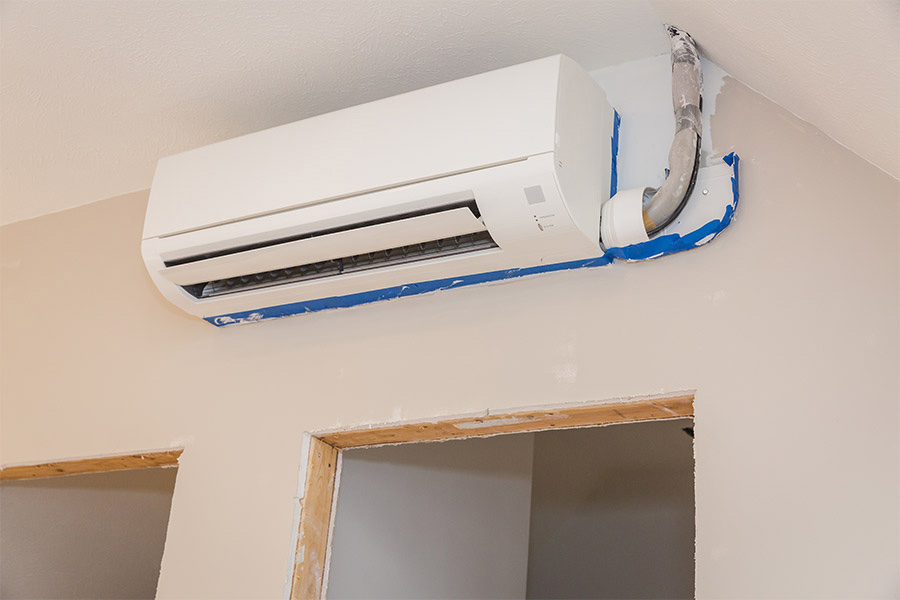
Count on Minuteman for Comfort That Lasts
The difference between mediocre and exceptional mini split performance almost always comes down to how the system was installed. Every detail, from sizing and placement to refrigerant levels and electrical connections, shapes the comfort and efficiency the system delivers for years to come. Minuteman Heating & Air brings the expertise and local commitment to get every detail right. Schedule your consultation today and let us turn your living space into the comfortable, efficient home you deserve.