

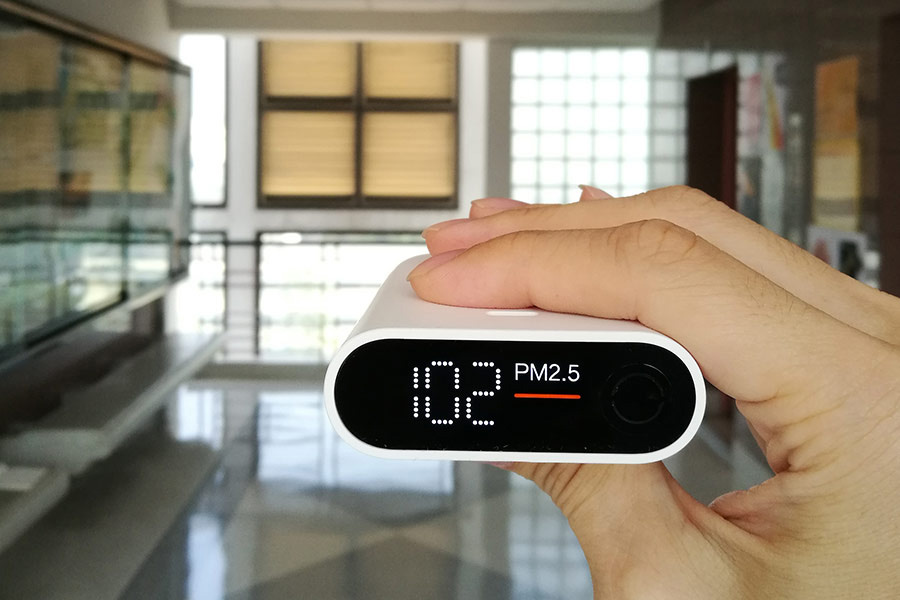
Grapevine homeowners can improve indoor air quality this fall by improving ventilation, adding high-quality air filtration, scheduling professional HVAC maintenance, switching to natural cleaning products, and keeping indoor humidity between 30 and 50 percent. Fall is the right time to act because windows close, systems switch from cooling to heating, and whatever is circulating in your ductwork gets recycled through the house for months. Working with homeowners throughout Grapevine and the surrounding communities, we see the same pattern every autumn: air quality complaints spike the week the heat comes on. The five steps below address the causes, not just the symptoms.
How Can Better Ventilation Give You Cleaner Air?
Better ventilation dilutes the pollutants already inside your home by replacing stale indoor air with fresh outdoor air. In a tightly built home, that exchange does not happen on its own, and every cooking odor, cleaning product, and pet dander particle stays in circulation.
Open windows and doors when the weather allows. Grapevine gets a genuine window season in October and early November, and those mild weeks are the cheapest air quality upgrade available to you.
Run exhaust fans in bathrooms and kitchens every time you cook or shower. These fans pull humidity and odors out of the house instead of letting them settle into fabrics and drywall.
Check your HVAC filters on a set schedule rather than when you happen to think of it. A loaded filter chokes airflow, and restricted airflow undermines every other step on this list.
Ductwork matters just as much. In our work throughout Grapevine, we regularly find crushed flex duct, disconnected boots in attics, and return paths that pull air from the attic instead of the living space. Air cannot circulate cleanly through a system that is leaking.
Fans can help move air between rooms and prevent stale pockets, but they move existing air rather than replacing it. Positioning fans is a supplement to real ventilation, not a substitute for it.
Do Air Purifiers Actually Improve Home Air Quality?
Air purifiers improve home air quality when they are properly sized and correctly matched to what you are trying to remove. A quality filtration setup captures dust, pet dander, pollen, and fine particulate before it reaches your lungs.
HEPA-rated filtration captures 99.97 percent of particles down to 0.3 microns, which covers most of what triggers seasonal allergy symptoms in North Texas. That level of capture is meaningful in a home near Lake Grapevine or along the DFW Airport corridor, where outdoor particulate and pollen loads run high through the fall.
Activated carbon media handles a different problem. Carbon adsorbs odors and volatile organic compounds that particle filters pass straight through, which is why homes with new flooring, fresh paint, or attached garages often benefit from both.
Sizing is where most homeowners go wrong. A unit rated for a bedroom will not condition the air in an open-concept living area, and an undersized purifier running constantly still loses to the volume of air in the room. Whole-home filtration integrated into your existing system avoids that problem entirely, and choosing the right HEPA filtration for your system is worth a conversation with a technician who can measure your actual airflow.
Filter replacement is not optional. A saturated filter stops capturing and starts restricting, so build the replacement interval into your calendar.
Why Does Regular HVAC Maintenance Matter for Air Quality?
Regular HVAC maintenance matters for air quality because your heating and cooling system is the single largest air handler in your home. Every cubic foot of air in the house passes through it repeatedly, and whatever lives inside that system gets distributed to every room.
A properly maintained system moves air at the design rate, filters it effectively, and keeps moisture where it belongs. A neglected one recirculates dust off dirty blower wheels and coils, and it works harder doing it.
Fall maintenance is specifically about the switch from cooling to heating. Dust that settled on the heat exchanger over the summer burns off the first cold night, which is the source of that familiar scorched smell homeowners call about every November. A technician cleans components, checks the heat exchanger, verifies safety controls, confirms airflow, and catches small problems while they are still small.
The efficiency benefit is real too. A maintained heating system runs shorter cycles, holds temperature more evenly, and typically lasts longer than one that only gets attention when it fails. Annual service is the least expensive thing you will do for your HVAC system all year.
Schedule it before the first hard cold front, not after. Once temperatures drop across the Metroplex, every HVAC company in the area is running emergency calls, and preventive appointments get harder to book.
Are Natural Cleaning Products Better for Indoor Air?
Natural cleaning products are better for indoor air because they release fewer volatile organic compounds into the spaces you breathe. Conventional cleaners can leave measurable chemical residue in the air for hours after use, and in a closed-up fall house that residue has nowhere to go.
The benefits of switching are practical rather than abstract:
- Reduced irritants: Simpler ingredients mean fewer airborne compounds that aggravate sinuses and airways.
- Safer around children and pets: Low-level exposure adds up fastest for the family members closest to the floor.
- Lower environmental load: Many plant-based formulas are biodegradable and reduce what goes down the drain.
- Cleaner scent profile: Essential oils provide fragrance without synthetic fragrance compounds.
- Lower cost: Vinegar, baking soda, and castile soap handle most household surfaces for a fraction of the price.
Cleaning products are one input among many. Balanced ventilation through an in-home air exchanger addresses the same problem from the other direction by continuously replacing indoor air with filtered outdoor air, which matters most in newer, tighter Grapevine construction where natural infiltration is minimal.
What Humidity Level Prevents Mold Growth in Your Home?
Indoor humidity between 30 and 50 percent prevents mold growth in most homes. Mold requires moisture to establish, and holding relative humidity below 50 percent removes the condition it depends on.
Temperature gets all the attention on the thermostat, but humidity drives comfort and air quality just as strongly. North Texas fall weather swings hard between humid days and dry cold fronts, and homes near Lake Grapevine tend to run damper than homes further inland.
A basic hygrometer gives you the number. Check it in more than one location, since a hallway reading rarely reflects what is happening in a closed bathroom or an interior closet.
When readings run high, dehumidification in problem areas helps, and so does confirming that bath and kitchen exhaust fans actually vent outside rather than into the attic. We find fans terminating in attic space more often than homeowners expect.
Fix leaks promptly. A slow supply line drip or a sweating duct in the attic introduces enough moisture to support growth long before anyone sees a stain. If you notice a musty odor with no visible source, treat it as a signal worth investigating rather than a smell to cover up.
Frequently Asked Questions
How often should I change my air filter in a Grapevine home?
Most standard one-inch filters need replacement every 30 to 90 days. Homes with pets, allergy sufferers, or heavy dust loads fall at the shorter end of that range. Thicker media filters mounted at the air handler often run four to six months, though your system’s airflow and your household conditions set the real interval.
Is indoor air really more polluted than outdoor air?
The EPA has reported that indoor air can be several times more polluted than outdoor air. That is because pollutants accumulate in enclosed spaces without the dilution that open air provides. It is one of the main reasons ventilation and filtration matter more than most homeowners assume.
What causes that burning smell when I first turn on the heat?
That smell is almost always dust burning off the heat exchanger and burners after months of sitting idle through the cooling season. It should fade within an hour or two of the first heating cycle. If it persists, smells electrical, or comes with any soot, shut the system down and have it inspected before running it again.
Do I need both an air purifier and better ventilation?
Filtration and ventilation solve different problems, and most homes benefit from both. Filtration removes particles from the air you already have. Ventilation replaces that air with fresh air and dilutes gases and odors that filters do not capture. In tighter, newer homes around Grapevine, ventilation is usually the bigger gap.
When is the best time to schedule fall HVAC maintenance?
Late September through October is ideal for North Texas. That window puts your system through a full inspection before the first real cold front, while appointment availability is still good. Waiting until December means competing with emergency no-heat calls across the Metroplex.
Breathing Easier in Your Grapevine Home This Season
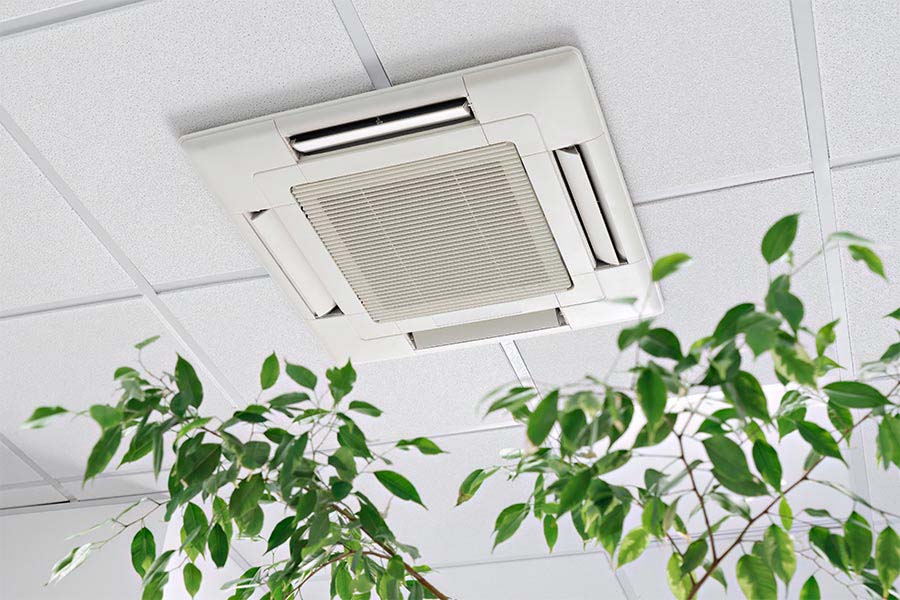
Indoor air quality is not one purchase. It is ventilation, filtration, maintenance, cleaning habits, and humidity control working together, and each step makes the others more effective. Fall is the natural moment to address all five, because the choices you make now determine the air your family breathes through every closed-up month ahead. If you want a professional read on where your home actually stands, get in touch with our team and we will walk your system with you.