

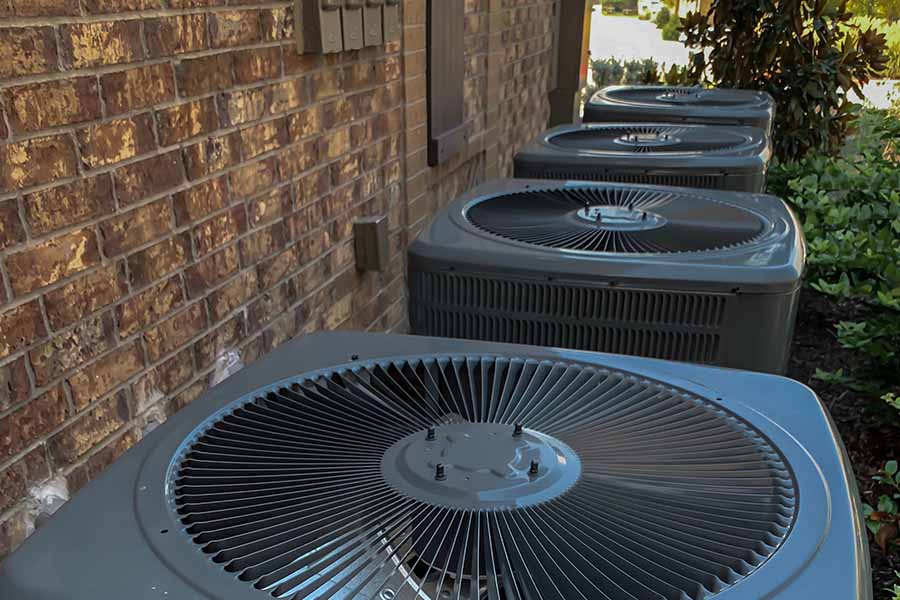
Your AC compressor is likely failing if you notice reduced cooling, uneven airflow between rooms, rising energy bills, grinding or hissing noises, frequent on-and-off cycling, visible refrigerant or oil leaks, warm air from the vents, or a system that overheats and shuts down. The compressor is the most expensive component in your air conditioner, and it almost always warns you before it quits. In our work across Mansfield and the surrounding communities, the homeowners who catch these signs early usually pay for a repair, and the ones who wait usually pay for a system.
What Are the Common Symptoms of a Failing Compressor?
The first symptom of a failing compressor is reduced cooling efficiency, meaning the system runs but never brings the house to the temperature you set. The compressor circulates refrigerant, and when it weakens, the entire heat transfer process weakens with it.
Inconsistent airflow follows closely. If some rooms stay comfortable while others run several degrees warmer, the system is no longer moving enough refrigerant to satisfy the full load.
Rising energy bills are a reliable early indicator. A compressor working against internal wear draws more current for less output, and that shows up on your statement before it shows up as a breakdown.
Watch for the unit cycling on and off more frequently than it used to. Short, repeated cycles put enormous strain on a compressor and often signal that it is already struggling to start or maintain pressure.
Finally, look at the ground around the outdoor unit. Refrigerant or oil residue near the base is a direct sign of a system losing its lifeblood, and a compressor running low on refrigerant is a compressor running toward failure. Prompt expert AC repair at this stage is what keeps a repairable problem from becoming a replacement.
What Do Unusual Compressor Noises Mean?
Unusual compressor noises mean mechanical or electrical failure is already underway. Compressors are designed to run with a consistent low hum, and any departure from that is diagnostic.
Grinding indicates worn bearings or internal mechanical damage. Once metal contacts metal inside a sealed compressor, the remaining service life is measured in weeks rather than seasons.
Hissing typically points to a refrigerant leak. Low refrigerant makes the compressor run hotter and work harder, which is the most common path to premature compressor death.
Clanking or rattling suggests loose or broken components inside the unit, and those parts tend to cause additional damage as they move around.
Buzzing usually indicates an electrical issue, often a failing start capacitor or contactor. This one is worth acting on quickly, because a compressor that struggles to start draws locked rotor current repeatedly, and that alone can destroy the windings.
None of these noises resolve on their own. Ongoing professional AC service catches the conditions that produce them, and a technician can distinguish an inexpensive capacitor replacement from an internal failure in a single visit.
Why Is Cooling Inconsistent Across Your Home?
Cooling is inconsistent across your home when the compressor cannot move enough refrigerant to satisfy the whole load. Rooms furthest from the air handler go unserved first, which is why homeowners describe one hot bedroom while the living room feels fine.
A weakening compressor delivers partial capacity. The system still runs, still blows air, and still costs money, but the total cooling produced falls short of what the house requires on a hot afternoon.
Duct leaks and blocked returns can produce similar symptoms, which is why the distinction matters. A technician measuring temperature split across the coil and refrigerant pressures can tell within minutes whether the problem is distribution or capacity.
Mansfield homes with second floors and bonus rooms feel this first. Those spaces already carry the heaviest cooling load in the house, so any loss of system capacity shows up there before anywhere else.
Left alone, partial cooling becomes no cooling, usually on the hottest day of the year. When a system reaches the point where repair no longer restores full capacity, a properly sized energy-efficient AC installation is what prevents the same pattern from repeating with the next unit.
Why Are Your Energy Bills Climbing?
Energy bills climb because a failing compressor draws more electricity to produce less cooling. It is the clearest financial signal your system gives you, and it usually arrives months before the mechanical failure.
Compare your usage against the same month last year rather than against last month. Weather varies, and a year-over-year comparison isolates the equipment from the season.
Longer run times without a corresponding drop in indoor temperature confirm the pattern. If the system is running most of the afternoon and the thermostat still reads two degrees above setpoint, capacity has degraded.
Look for the symptoms in combination. Rising bills paired with unusual noises or weak airflow are a much stronger indicator than any one sign alone.
Addressing this early is straightforwardly cheaper. A capacitor, a contactor, or a refrigerant leak repair costs a fraction of a compressor replacement, and a compressor replacement on an older system often costs enough that replacing the unit makes more sense.
Is Your AC Cycling On and Off Too Often?
Frequent cycling means your system is starting and stopping far more often than a normal cooling cycle requires, and it is one of the harder things you can do to a compressor. Each start draws several times the running current, so a unit cycling every few minutes accumulates wear rapidly.
Several conditions cause short cycling. A malfunctioning or poorly located thermostat can misread the space and cut the system off early. A clogged filter restricts airflow enough to trip safety limits. Duct problems and blocked returns produce the same effect from a different direction.
Refrigerant issues also cause cycling, and those tie directly back to compressor health. A system low on charge trips high or low-pressure switches repeatedly rather than completing normal cycles.
The distinction matters because the fixes range from a filter change to a compressor replacement. Diagnosing which one applies requires measurement, not guesswork.
Ignoring short cycling is expensive in a specific way. The compressor absorbs the damage, and compressor damage is the failure mode that turns a service call into a system replacement.
What Are the Signs of a Refrigerant Leak?
The signs of a refrigerant leak are hissing or bubbling sounds, uneven cooling between rooms, ice forming on the evaporator coil, and energy bills that climb without a change in usage. Refrigerant is not consumed in normal operation, so a low charge always means a leak.
- Hissing or bubbling sounds: Refrigerant escaping under pressure produces an audible hiss, most often near the indoor coil or line set connections.
- Inconsistent cooling: Reduced refrigerant volume means reduced heat absorption, so the rooms with the heaviest load fall behind first.
- Ice formation: Low refrigerant drops coil temperature below freezing, and once ice forms, cooling capacity collapses entirely.
- Increased energy bills: The system runs continuously, trying to reach a setpoint it no longer has the capacity to achieve.
Simply adding refrigerant without finding the leak is not a repair. The charge will drop again, and in the meantime, the compressor runs undercharged, which is one of the fastest ways to destroy it.
A proper repair locates the leak, fixes it, evacuates the system, and recharges to the manufacturer’s specification by weight. That sequence is what makes the fix last.
How Does Overheating Damage Your AC System?
Overheating damages your AC system by pushing the compressor beyond its designed operating temperature, which degrades internal lubricant and electrical windings. It is a cumulative form of damage, and by the time it produces obvious symptoms, some of it is permanent.
What Causes an AC System to Overheat?
Four conditions account for most overheating cases:
- Dirty filters: Restricted airflow forces the system to run longer and hotter to move the same amount of heat.
- Low refrigerant: Insufficient charge means poor heat absorption, and the compressor runs hot trying to compensate.
- Faulty thermostat: A thermostat misreading the space keeps the system running when it should have cycled off.
- Blocked condenser coils: Debris around the outdoor unit prevents heat from leaving the system, so it stays in the refrigerant and in the compressor.
Mansfield yards produce plenty of the last one. Grass clippings, cottonwood, and mulch blown against the condenser during summer mowing season restrict airflow more than most homeowners realize.
What Overheating Symptoms Should You Watch For?
Watch for a noticeable increase in energy consumption, which is usually the first measurable sign. A system fighting heat rejection consumes more power for the same output.
Listen for hissing or banging, both of which indicate the system is operating outside its normal pressure range.
Feel the air at the supply registers. Warm air coming from the vents while the system is running is a direct indication the compressor is not doing its job.
Unusual vibration and any burning smell are urgent. Both suggest electrical or mechanical failure in progress, and continuing to run the system through either one converts a repair into a replacement.
How Does Preventive Maintenance Stop Overheating?
Preventive maintenance stops overheating by removing the conditions that cause it before the system encounters a hot afternoon at full load. A professional maintenance visit covers all four causes in one appointment.
Filter replacement on a set schedule keeps airflow at design. Most homes need attention every one to three months, and the correct interval depends on your filter type, pets, and dust load.
Coil cleaning restores heat transfer on both the indoor and outdoor sides. This is done annually in most homes, and it requires care, since coil fins bend easily and bent fins restrict airflow permanently.
Refrigerant verification is one area where professional service is essential. Charge is checked by measurement, and a system that has lost refrigerant needs the leak found rather than the charge topped off.
Ductwork inspection completes the picture. Leaks in the duct system make the equipment work harder for the same result, which contributes to the exact heat load that damages compressors.
Why Does Professional Diagnosis Matter?
Professional diagnosis matters because the symptoms of a failing compressor overlap almost completely with the symptoms of several much cheaper problems. A capacitor, a contactor, a refrigerant leak, and a failing compressor can all produce weak cooling and unusual noises.
Guessing is expensive in both directions. Replacing a compressor that did not need replacing wastes thousands of dollars. Continuing to run a system with a real compressor problem destroys other components along with it.
A technician with proper instruments measures refrigerant pressures, superheat and subcooling, amperage draw, capacitor microfarads, and temperature split. Those numbers identify the actual fault rather than the symptom.
Attempting repairs without that data does not just risk wasted time. Refrigerant work requires certification for legal and safety reasons, and electrical components inside a condensing unit hold a charge capable of causing serious injury.
Minuteman Heating & Air sends experienced technicians who diagnose first, explain what they measured, and give you honest options. When the right answer is a repair, we say so. When the numbers point toward replacement, we show you why.
Frequently Asked Questions
How long should an AC compressor last in Mansfield, TX?
Most residential compressors are designed for a service life in the range of 10 to 15 years, though North Texas cooling seasons put more run hours on equipment than milder climates do. Regular maintenance, correct refrigerant charge, and clean coils are the variables that most determine whether a compressor reaches the upper end of that range or fails early.
Is it worth replacing just the compressor?
It depends on the age of the system and whether it is still under warranty. Replacing a compressor in a unit under roughly eight years old with a valid parts warranty often makes sense. In an older system, particularly one using a phased-out refrigerant, the cost of the compressor plus labor frequently approaches the cost of a new system with a full warranty and better efficiency.
Can I keep running my AC if the compressor is making noise?
Continuing to run a compressor that is grinding, buzzing, or clanking usually makes the damage worse and can take out other components with it. If the noise is new and persistent, shut the system down at the thermostat and have it inspected. A brief period without cooling is far less costly than a compressor that fails catastrophically.
What is the difference between a compressor problem and a refrigerant leak?
A refrigerant leak is a loss of charge from a hole or failed connection in the sealed system. A compressor problem is a mechanical or electrical failure in the pump itself. They are related because running low on refrigerant is one of the leading causes of compressor failure, which is why a leak should be repaired rather than simply topped off.
How can I extend the life of my AC compressor?
Change filters on schedule, keep the outdoor unit clear of grass clippings and shrubs, schedule annual professional maintenance before the cooling season, and address unusual noises or performance changes immediately. Most compressor failures are the end result of a smaller problem that ran unaddressed for months.
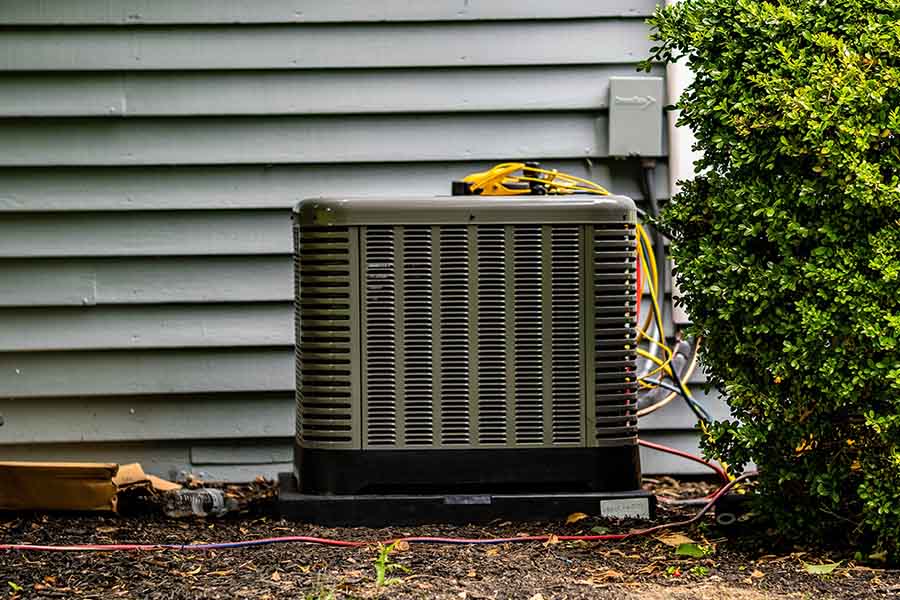
Protecting Your Mansfield Home From a Compressor Failure
A compressor rarely fails without warning. It gets louder, less efficient, and less capable first, and every one of those stages is an opportunity to spend less money than you will spend later. If your system is showing any of the eight signs above, the smart move is a diagnosis now rather than an emergency call in the middle of a Texas August. When you want a straight answer about what your system is doing, contact our team today.